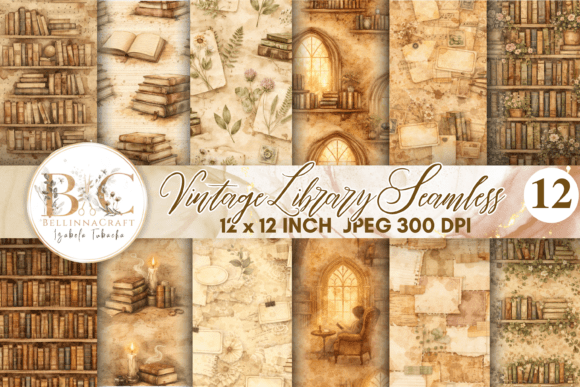
Vintage Library Seamless Digital Paper: A Practical Guide for Creators and Small Business Owners
In the world of digital design and physical crafting, texture is often the difference between a project that feels flat and one that feels lived-in. The Vintage Library Seamless Digital Paper collection addresses this need by providing high-resolution, tileable backgrounds that evoke the warmth of antique bookshelves, aged manuscripts, and cozy reading nooks. For professionals, educators, and hobbyists alike, integrating these assets into a workflow is not merely about aesthetics; it is about efficiency, consistency, and creating a tangible sense of atmosphere in both digital and print mediums.
This article explores how to effectively incorporate this specific set of twelve watercolor-inspired patterns into your creative processes. We will examine preparation, technical compatibility, practical applications across various industries, and long-term asset management. By understanding where these resources fit within a broader production pipeline, you can reduce decision fatigue and elevate the quality of your output.
Understanding the Asset and Its Technical Specifications
Before implementing any digital asset, it is crucial to understand its technical constraints and capabilities. This collection consists of twelve JPG files, each measuring 12 x 12 inches at 300 DPI (dots per inch). These specifications are industry standard for high-quality printing. The 300 DPI resolution ensures that when you print these patterns for junk journals, scrapbooks, or invitations, the edges of the watercolor stains and the details of the antique books remain crisp rather than pixelated.
The term "seamless" or "tileable" is significant for workflow efficiency. A seamless pattern can be repeated horizontally and vertically without visible seams or breaks. This feature allows designers to create backgrounds of any size—whether for a large website header, a full-wall mural, or a continuous roll of wrapping paper—without manual editing to hide junctions. For small business owners creating packaging or stationery, this scalability reduces the time spent on layout adjustments.
The visual style combines watercolor textures with vintage library motifs. You will find elements such as stacked antique books, book nooks with greenery, aged music sheets, and Victorian library windows. These are not just decorative; they serve as thematic anchors. When used correctly, they communicate a specific mood—cozy, intellectual, nostalgic, and calm—which can align with brand identities or personal project goals.
Integration into Creative Workflows
Integrating Vintage Library Seamless Digital Paper into your workflow requires a shift from viewing these files as mere images to treating them as foundational layers. Here is how they fit into different stages of creation:
Pre-Production and Planning
During the planning phase, these patterns can serve as mood board components. If you are designing a brand identity for a bookstore, a literary podcast, or an educational platform, selecting a specific pattern from this set can help define the color palette and tonal direction. For instance, a pattern featuring warm candlelit details might suggest a gold and amber color scheme for accompanying typography and logos. By establishing this visual language early, you streamline subsequent design decisions.
Execution in Digital Design
For digital creators, these JPGs are compatible with most major design software, including Adobe Photoshop, Illustrator, Canva, and Procreate. When using them for web design or social media graphics, consider the following steps:
- Layering: Place the seamless pattern as the bottom layer. Adjust the opacity to soften the effect if it competes with text.
- Masking: Use layer masks to reveal only portions of the bookshelf or window patterns, creating depth and focus.
- Contrast Management: Ensure that text placed over these textured backgrounds remains legible. Use solid color boxes or blur effects behind text if necessary.
Because the files are high-resolution, you can scale them down for web use without losing quality, but always keep the original 300 DPI files archived for print purposes.
Application in Physical Crafting
For those involved in junk journaling, scrapbooking, or cardmaking, the process involves printing and physical assembly. The 12 x 12 inch format is ideal for standard scrapbook pages. However, the seamless nature allows for creative expansion. You can print multiple copies and tape them together to create larger backdrops for photography or event decorations. The watercolor aesthetic blends well with other ephemera, such as dried flowers, ribbon, and handwritten notes, allowing for a cohesive vintage look without extensive manual painting or aging techniques.
Practical Use Cases Across Industries
The versatility of this collection makes it suitable for a wide range of applications. Below are specific examples of how different users can leverage these assets.
Educators and Publishers
Teachers and educational content creators can use the notebook-style backgrounds and music-sheet textures to design worksheets, certificates, or classroom decorations. The vintage library theme fosters a sense of tradition and learning. For publishers, these patterns can be used as endpapers in books, backgrounds for ebook covers, or promotional materials for literary events. The seamless tiles ensure that the design remains consistent across different formats and sizes.
Small Business Owners and Entrepreneurs
If you run a stationery shop, a café, or a boutique, branding consistency is key. Use the cozy library windows and book nook patterns for packaging inserts, thank-you cards, or social media posts. The warm, inviting aesthetic can enhance customer experience by creating a emotional connection. For example, a café with a literary theme could use these patterns for menu backgrounds or wall art, reinforcing its brand identity without the cost of custom illustration.
Event Planners and Invitation Designers
Weddings, baby showers, and birthday parties with a vintage or literary theme benefit greatly from these designs. Use the floral and bookshelf patterns for invitation backgrounds, table numbers, or place cards. The high resolution ensures that printed invitations feel premium and tactile. By using seamless patterns, you can easily adapt the design to different paper sizes, from standard envelopes to large poster-sized welcome signs.
Optimization and Quality Control
To maximize the value of your Vintage Library Seamless Digital Paper purchase, adhere to best practices for file management and quality control.
Organization: Store the original JPG files in a dedicated folder with clear labeling. Create backups on external drives or cloud storage. If you edit the files (e.g., adjusting brightness or adding overlays), save the edited versions separately to preserve the originals for future projects.
Color Calibration: Colors on screens differ from printed outputs. Before printing large batches, perform test prints on the actual paper stock you intend to use. Watercolor textures can appear differently on matte versus glossy paper. Adjust your printer settings to match the desired outcome, paying attention to ink density and color balance.
Licensing and Usage Rights: Always review the license terms associated with digital downloads. Typically, these assets are for personal and small commercial use, but restrictions may apply to mass production or resale of the digital files themselves. Ensure compliance to avoid legal issues.
Long-Term Value and Sustainability
Digital assets offer a sustainable alternative to physical materials. By using digital papers, you reduce waste associated with trial-and-error printing and physical storage. Moreover, a single purchase provides unlimited reuse potential. As trends shift towards nostalgia and mindfulness, the vintage library aesthetic remains relevant. Investing in high-quality, versatile patterns like these ensures that your design toolkit remains robust and adaptable.
Furthermore, the ability to customize these patterns—by changing colors, adding elements, or combining them with other textures—extends their lifespan. You are not limited to the initial design; instead, you have a foundation upon which to build unique creations tailored to specific projects.
Conclusion
The Vintage Library Seamless Digital Paper collection is more than a set of images; it is a functional tool for enhancing creativity and efficiency. By understanding its technical specifications, integrating it into your workflow, and applying it across various mediums, you can achieve professional results with minimal effort. Whether you are designing a digital campaign, crafting a personal journal, or branding a small business, these assets provide the texture and atmosphere needed to engage your audience. Approach your projects with intention, organize your resources effectively, and let the cozy, bookish charm of these patterns elevate your work.