Integrating the Coastal Surf California 90s Summer PNG into Your Creative Workflow
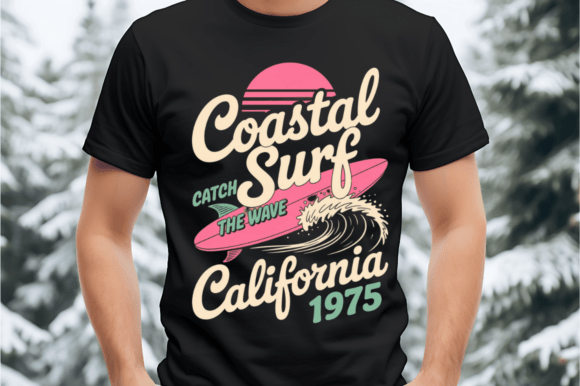
In the fast-paced world of print-on-demand and digital crafting, efficiency is not just a preference; it is a necessity. For designers, small business owners, and hobbyists, the difference between a profitable product line and a stagnant inventory often comes down to asset quality and workflow integration. This is where a specialized asset like the Coastal Surf California 90s Summer PNG becomes more than just a graphic—it becomes a foundational element of a streamlined production process. By understanding how to effectively incorporate this high-quality, ready-to-print design into your existing tools and methods, you can reduce preparation time, ensure consistent output quality, and focus more on scaling your business rather than troubleshooting technical issues.
The appeal of retro aesthetics, particularly the laid-back, sun-drenched vibe of 1990s California surf culture, remains strong in current market trends. However, sourcing designs that are both trend-relevant and technically optimized for sublimation or direct-to-garment (DTG) printing can be challenging. Many free or low-cost assets require significant cleanup, vectorization, or background removal before they are usable. The value proposition of a professional-grade PNG lies in its readiness. When you download a file that already features a transparent background and high resolution, you eliminate the most time-consuming phase of digital design: preparation. This allows you to move directly from concept to execution, a critical advantage when managing multiple product listings or tight deadlines.
Technical Preparation and Asset Compatibility
Before integrating any new design asset into your workflow, it is essential to verify compatibility with your software stack. The Coastal Surf California 90s Summer PNG is designed to be universally compatible, but understanding how it interacts with different platforms ensures a smoother experience. Whether you are using industry-standard software like Adobe Photoshop and Illustrator, or accessible tools like Canva, Cricut Design Space, and Silhouette Studio, the PNG format serves as a reliable bridge.
For users of cutting machines like Cricut or Silhouette, the transparent background is the key feature. It allows the software to automatically detect the design boundaries without requiring manual tracing or complex layer masking. This reduces the risk of cutting errors and ensures that the final printed image aligns perfectly with the substrate. In Photoshop or similar raster-based editors, the high-resolution nature of the file means you can scale the design for various products—from small stickers to large wall art—without experiencing pixelation or loss of detail. This scalability is crucial for maintaining a consistent brand image across different product categories.
It is also important to consider color management. While the digital file is optimized for vibrant output, monitor settings vary significantly across devices. Professionals should calibrate their screens or perform test prints to ensure that the blues of the ocean and the warm tones of the sunset in the design translate accurately to physical materials. This step is part of quality control, ensuring that the final product meets customer expectations and reduces the likelihood of returns due to color discrepancies.
Strategic Application Across Product Lines
One of the strengths of a versatile design asset is its ability to be repurposed across multiple product types. The Coastal Surf California 90s Summer PNG is not limited to t-shirts. Its composition and aesthetic make it suitable for a wide range of sublimation and printing applications. Understanding where this design fits best within your product catalog can help you maximize its return on investment.
- Apparel: The primary use case is t-shirt sublimation or DTG printing. The retro typography and surf imagery resonate well with casual wear, beachwear, and summer collections. It can be centered on the chest for a classic look or placed on the back for a larger statement piece.
- Hard Substrates: The design translates exceptionally well to mugs, tumblers, and phone cases. The vibrant colors pop against white ceramic or metal surfaces, making these items ideal for impulse buys or gift-oriented marketing campaigns.
- Home Decor and Accessories: Consider applying the design to tote bags, pillows, or even wall art prints. The nostalgic theme appeals to consumers looking to add a relaxed, vintage touch to their living spaces or everyday carry items.
- Small Goods: Stickers and greeting cards offer low-cost entry points for customers. Using the same asset across these smaller items allows you to create cohesive bundles, increasing average order value.
By planning your product rollout around a single high-quality asset, you can create a themed collection. This approach simplifies marketing efforts, as you can promote a unified "90s Summer" campaign across all channels. It also streamlines inventory management, as you are working with a single source file that adapts to various manufacturing processes.
Workflow Integration for Efficiency
Implementing this design into your daily operations requires a structured approach. Start by organizing your digital assets. Create a dedicated folder for seasonal or thematic designs, storing the original PNG alongside any mockups or variations you create. This organizational habit saves time when you need to revisit the design for future campaigns or updates.
When preparing the file for print, always check the dimensions relative to your print area. For sublimation, ensure that the image is mirrored if required by your specific printer settings. For DTG, verify that the color profile matches your printer’s requirements, typically sRGB for most consumer and prosumer printers. If you are using Canva, simply drag and drop the PNG onto your template. Its transparent background ensures it layers cleanly over other elements, allowing you to add text or additional graphics without visual clutter.
For those running a print-on-demand business, speed to market is critical. Having a library of ready-to-use, high-quality PNGs like this one allows you to respond quickly to trending topics. Instead of spending days creating a design from scratch, you can upload, position, and publish within minutes. This agility enables you to test multiple designs rapidly, gather data on customer preferences, and double down on what works.
Quality Control and Long-Term Value
Maintaining high standards is essential for building trust with your audience. The Coastal Surf California 90s Summer PNG is created with professional specifications, but the final output depends on your printing equipment and materials. Use high-quality blanks for apparel and substrates for hard goods. Cheap materials can dull the vibrancy of even the best digital designs. Conduct regular test prints to monitor consistency, especially if you switch suppliers or update your printer firmware.
Furthermore, consider the longevity of the design. While trends evolve, the 90s aesthetic has shown remarkable staying power. By investing in timeless themes rather than fleeting fads, you create assets that can remain in your catalog for extended periods. This long-term utility enhances the value of the initial purchase, as the cost per use decreases over time. You can refresh the design periodically by adjusting colors or combining it with new elements, keeping it relevant without starting from zero.
In conclusion, the integration of the Coastal Surf California 90s Summer PNG into your creative workflow offers a blend of aesthetic appeal and operational efficiency. By leveraging its technical readiness, compatibility with major design tools, and versatility across product lines, you can streamline your production process and enhance your product offerings. Focus on proper organization, quality control, and strategic application to maximize the potential of this digital asset. Whether you are a seasoned entrepreneur or a hobbyist looking to elevate your crafts, this approach ensures that your creative energy is spent on growth and innovation, rather than mundane technical adjustments.